
Our mission
Human connection and global understanding through language learning and technology.
Our Team
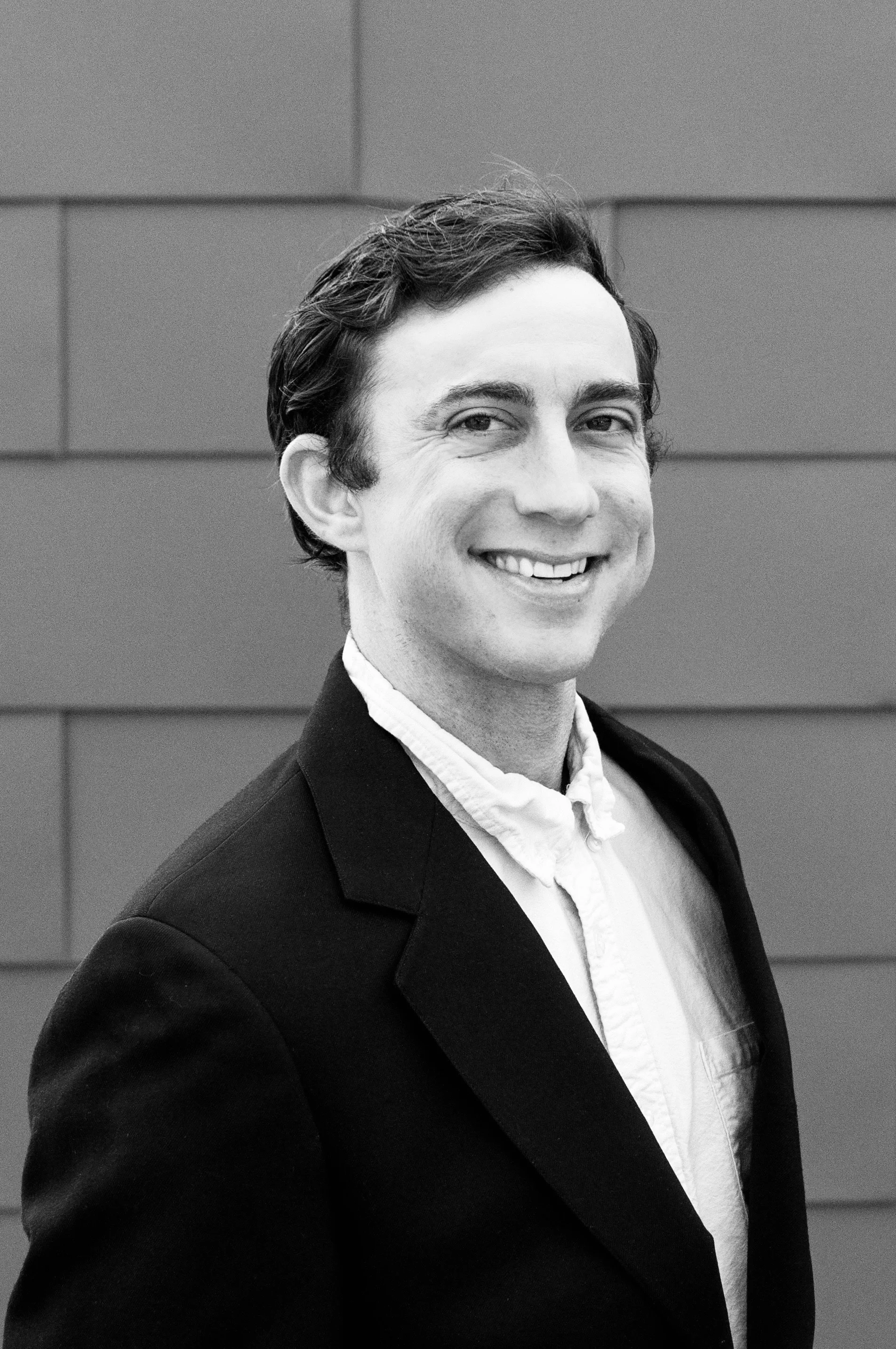
Will Jordan-Cooley
Founder & CEO
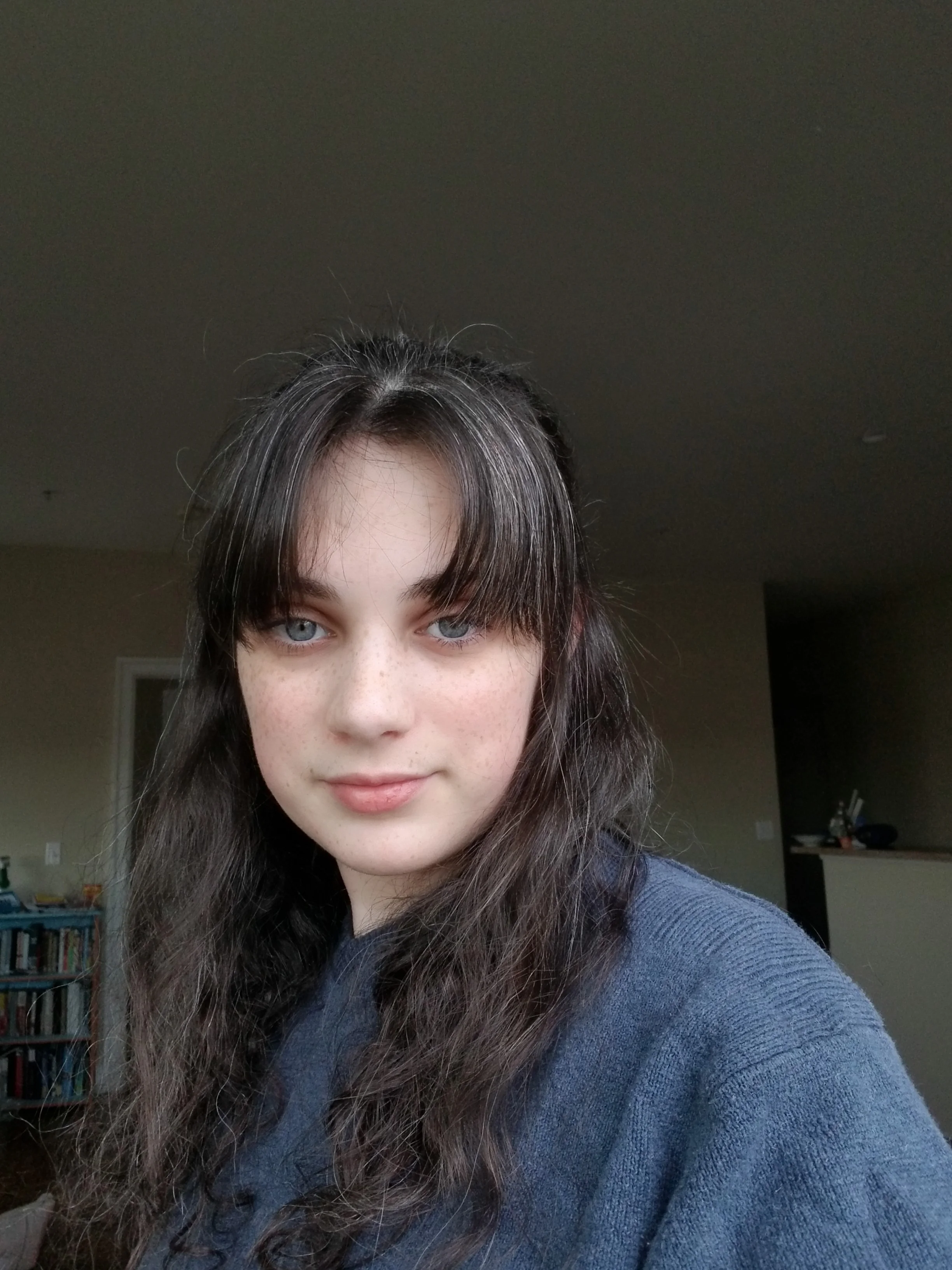
Gabby Gurdin
Client Lead

Brord Van Wierst
Chief Information Security Officer
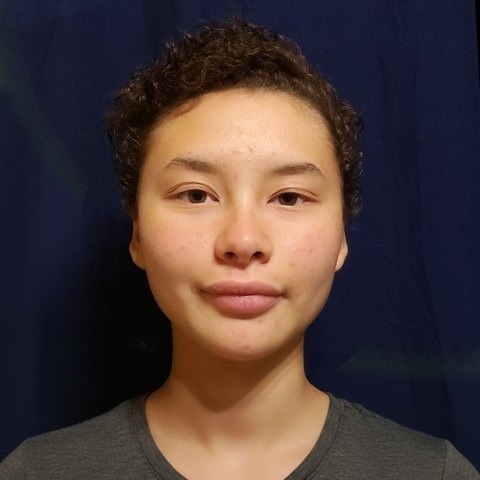
Tig Harriss
QA & Product
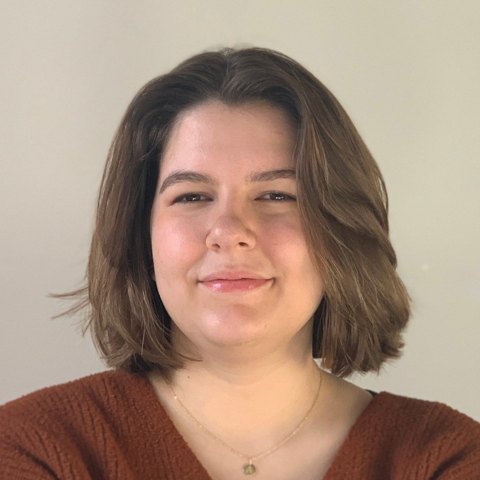
Ava Shilling
Client Developer
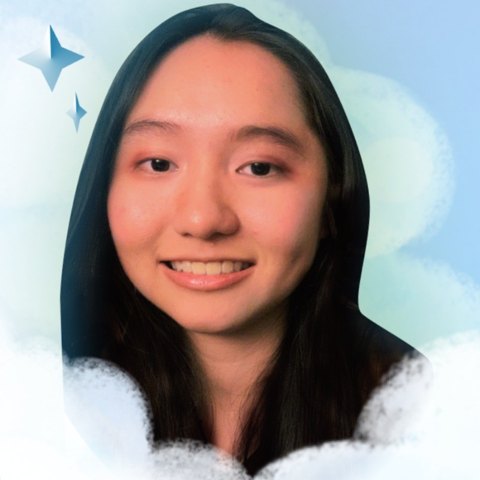
Khue-Joy Dao
Design & Marketing
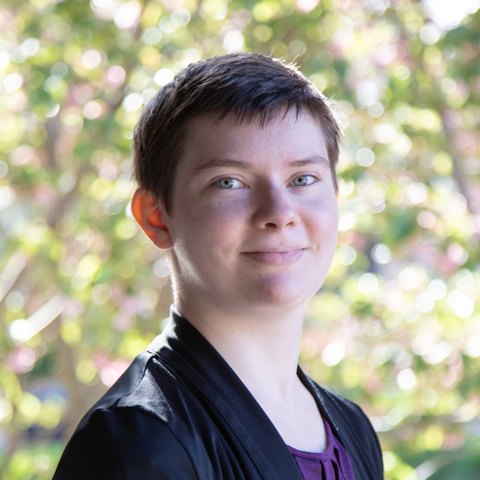
Kel Raphael
Client Developer & QA
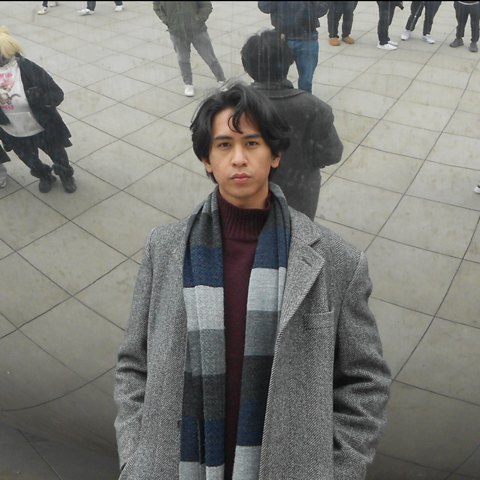
Yuvraj Puyam
AI Engineer
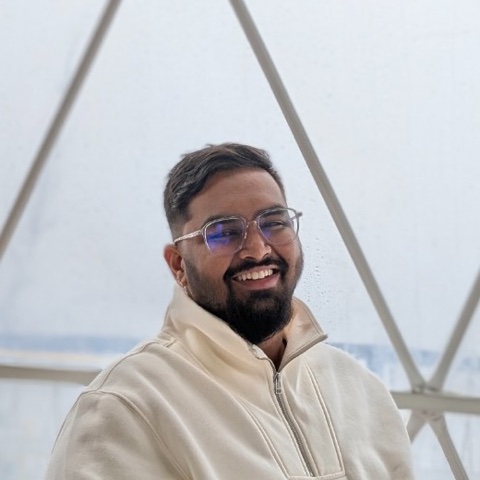
Balarama Satvik
AI Systems Engineer
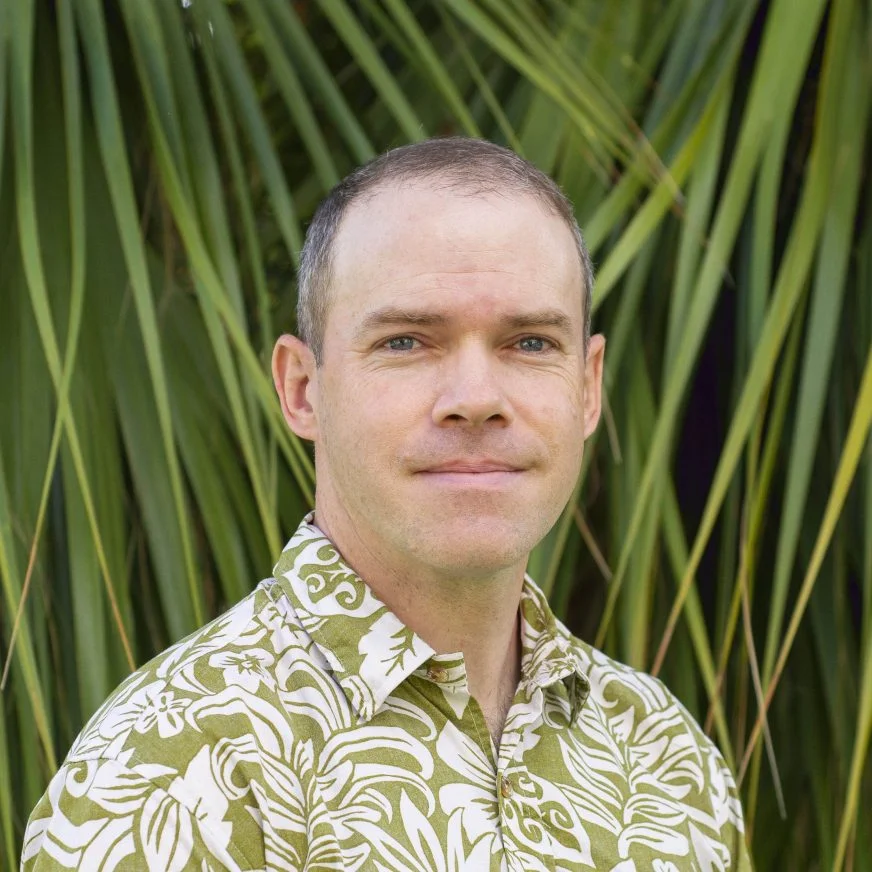
Daniel Isbell, PhD
Advisor
Our Funders and Supporters


Our Journey
From Will, our founder
One spring day far from home in the city of Barcelona, I decided to make a language learning app. Ten years and some change later, it's starting to feel like Christopher Nolan's Odyssey (just saw it with my Dad and I can recommend it). Oh, the things I've learned and the places I've seen!
2017
- Will Jordan-Cooley arrives in Barcelona, working remotely as an educational game designer for BrainPOP. Behind him: a bachelor's in applied mathematics from William & Mary, a master's in instructional technology and media from Teachers College, Columbia University, and a decade of learning-game design for BrainPOP, Nickelodeon, and Discovery Education.
- Learning Spanish, he is frustrated by tools that make you learn first and communicate later. He starts building a game around real conversation in the language you are learning. The first build.
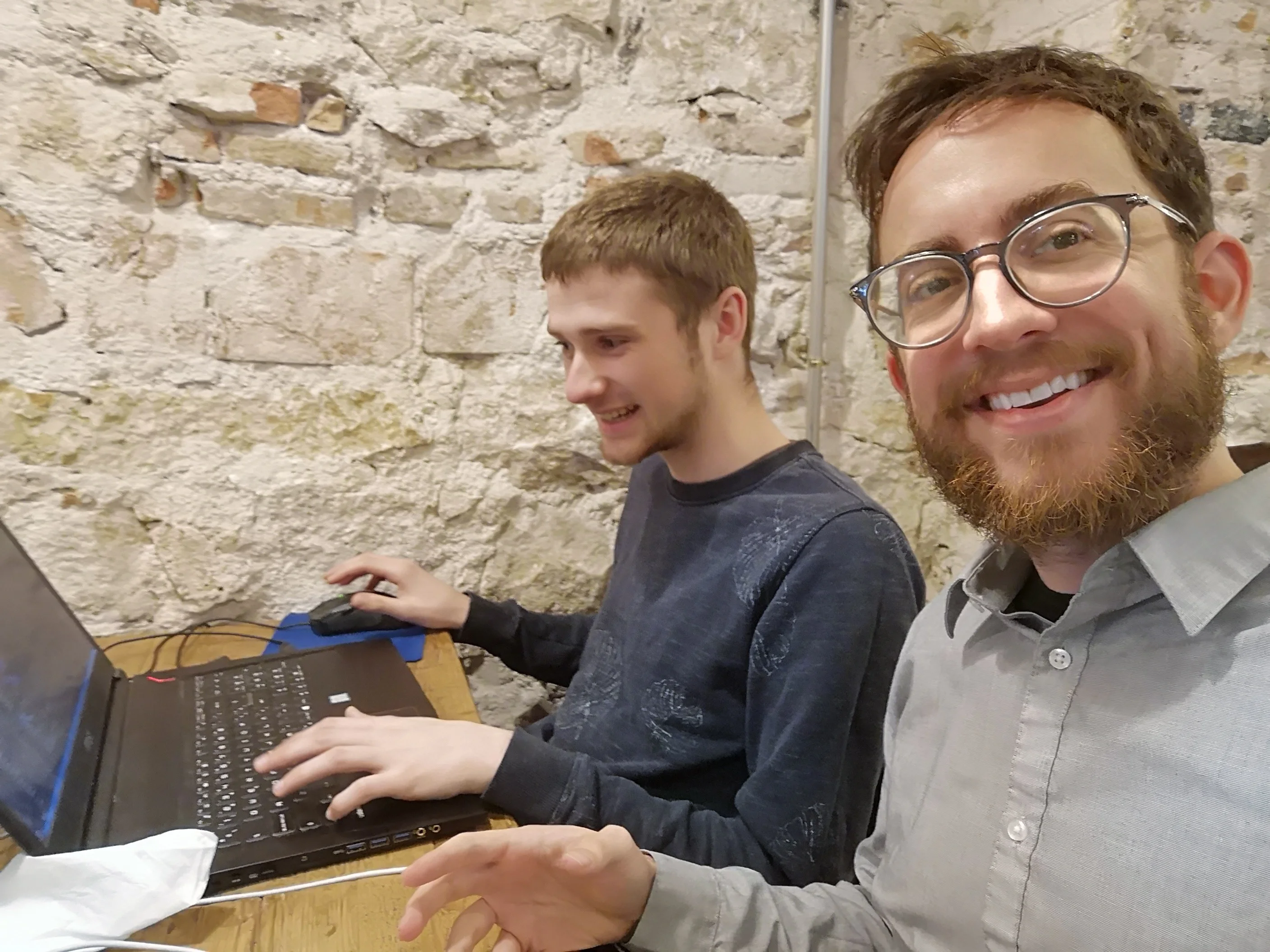
- Will meets Brord at a Barcelona coworking space; he speaks five languages and agrees it seems like a good idea. Brord joins later that year.
2018
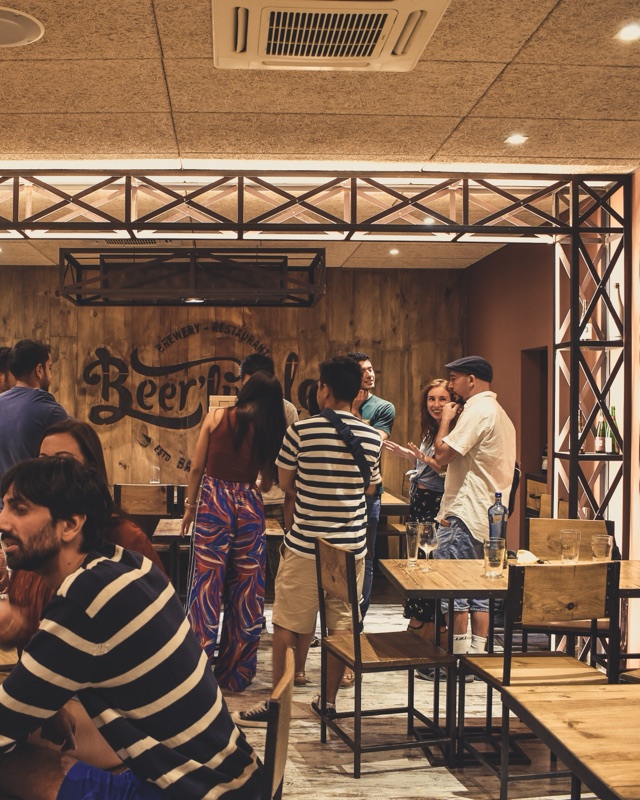
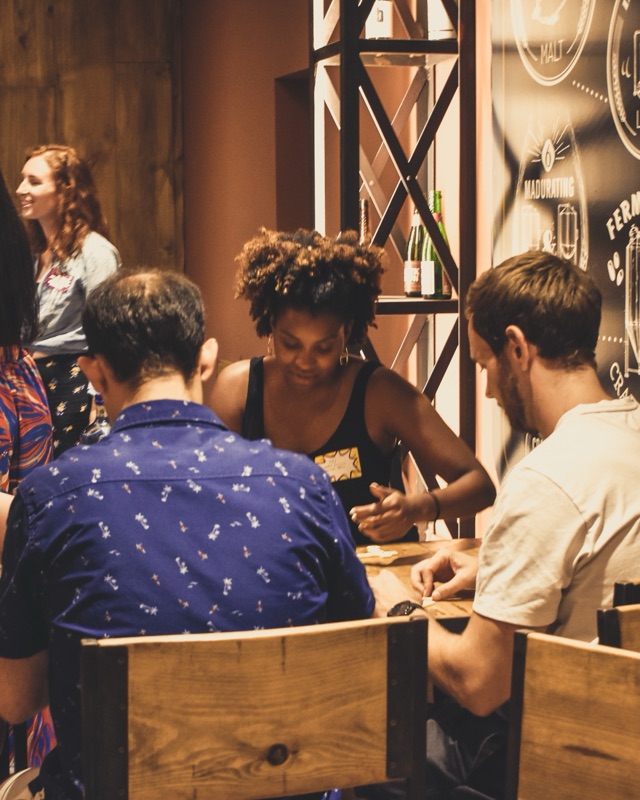
- The design is guided by the city itself: showing the app to strangers in cafés and at language-exchange events around Barcelona, and rebuilding around what they did with it.
- Will reaches out to fellow grads of Teachers College, Columbia University for feedback on the developing prototype. That May, an early tester says the thing the whole product is still built on: “Talking to a friend, you need to be forced to use the language, otherwise you'd choose the easiest way of communication.”
- The tagline arrives, and has not changed since: learn a language while texting your friends.
2019
- Live on Google Play, TestFlight, and the web. Shipped, honestly, before anyone much was using it.
- A Barcelona summer crew forms around the project: Nick Koehler on the business side and Herman Dempere on the language tech, with pitches into the local ecosystem from café language exchanges to IESE Business School.
- Kerry Valentin Morales designs the Pangea Chat logo.
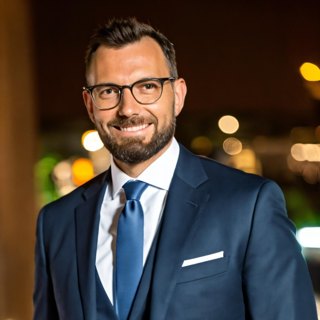 Nick Koehler
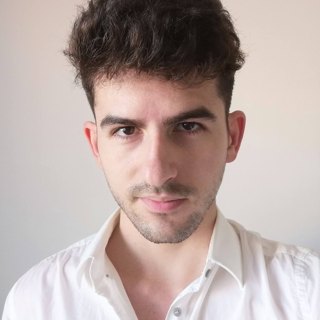 Herman Dempere
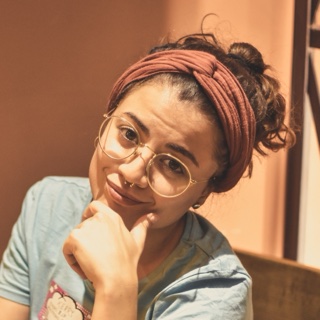 Kerry Valentin Morales
2020
- Pangea Chat LLC forms, more than two years after the product existed.
- COVID lockdown finds Will joining the Lighthouse Labs incubator in his hometown of Richmond, from Barcelona. 23 customer-discovery interviews with language teachers produce the pivot: from an app for the individual learner to language exchange between whole classes.
- First classroom pilot that fall: Mexico City, Pittsburgh, Palo Alto, and Barcelona. The NSF SBIR Phase I proposal goes in that December.
2021
- Voice messages and speaking activities launch.
- A promising international school pilot collapses on technical problems, and teaches the lesson that shaped the next two years: reliability decides adoption before pedagogy gets a vote.
- Class-code registration without student PII, built in answer to school FERPA requirements.
2022
- NSF SBIR Phase I begins ($256,000), and our first two employees join: Paige Poole, Learning Director, and Jordan Myers, machine learning and NLP research.
- Boards of Teachers and Students co-design the next prototype, in successive rounds of design, testing, and iteration.
- Migration to the open Matrix messaging protocol. The contracted build arrives broken, so development comes in-house and most of the client is rewritten in two months; the web app launches in October.
- Virginia's Commonwealth Commercialization Fund adds $75,000 in December.
The Board of Teachers, across the years: Ella Fortin, Danielle Roberts, Patricia Nowlan, Brian Crouch, Marie Concaret, Carolina Currea, Chelsea Lawrence, Laura Fleischer Proaño, Julianne Hammink, Analía Lessenberry Valdez, Lindsay Huff, Morgan Griffith, Manuela Rodriguez-Morales, Lillian Jones, and Jan Fox
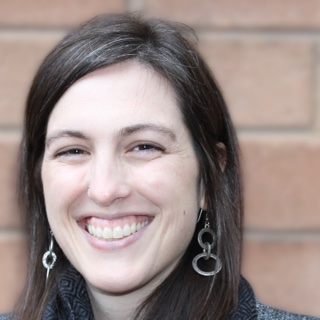 Paige Poole
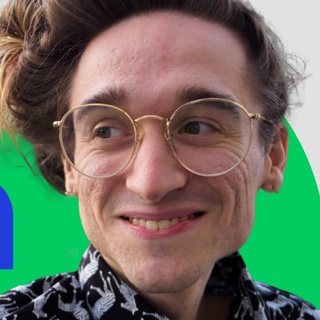 Jordan Myers
2023
- iOS and Android launch in January; 237 teachers sign up for the spring pilot, deliberately capped to about ten classrooms.
- A controlled study at Universidad del Norte finds no proficiency effect from light, teacher-directed use. The null result redesigns the product: courses, group activities, required peer replies.
- Choice-based grammar correction ships: learners pick among corrections with explanations instead of being handed the answer.
- LaunchPad finalist, one of five, pitched live at CALICO; first paid pilots follow.
- The team grows: Gabby Gurdin joins in January, helping carry the mobile launch, and Wilson Le starts on the bot that spring.
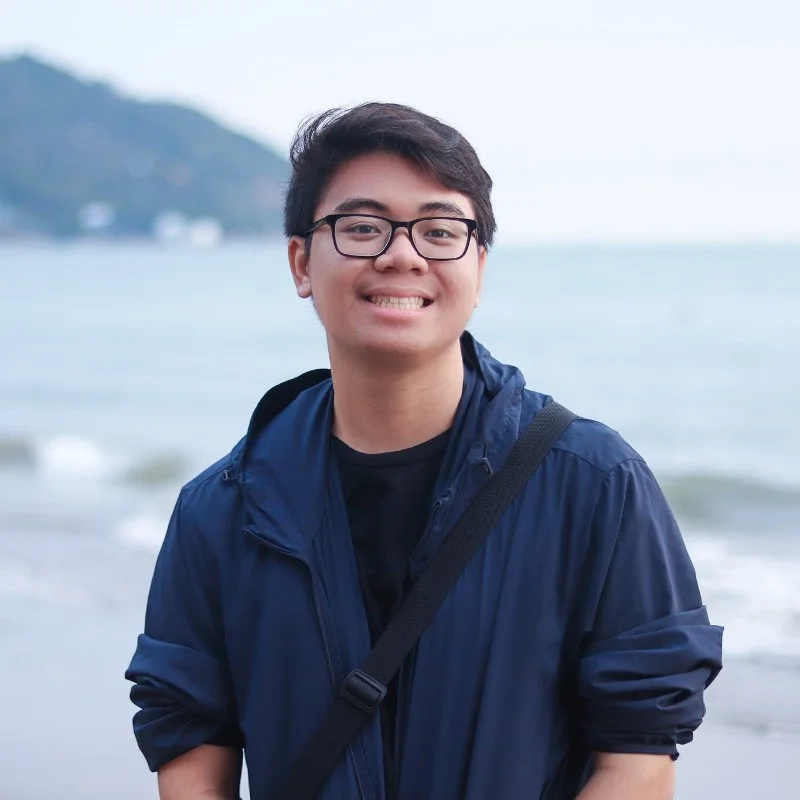 Wilson Le
2024
- NSF SBIR Phase II awarded ($1,000,000); Dr. Linh Phung joins as Chief Learning Officer.
- A paid summer pilot at William & Mary (four Spanish classes, 100+ students), then fall semesters at the University of Alabama at Birmingham and UH Mānoa.
- Practice activities generated from learners' own messages; pronunciation feedback on voice messages.
- University IT security and accessibility reviews; a six-state Student Data Privacy Agreement. In a UAB survey, “makes learning fun” and “would recommend” both score 4.22 out of 5 (18 respondents).
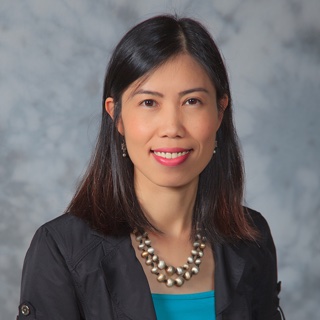 Dr. Linh Phung
2025
- First peer-reviewed publication accepted: a classroom case study of collaborative, task-based learning by Dr. Tim Ashe and Dr. Linh Phung (12 students), forthcoming from Routledge.
- Courses ship: sequenced, curriculum-aligned activities. Voice Mode and phonetic transcriptions follow, across 49 target languages.
- The playtest program begins: 353 recruited, 67 exit interviews, roughly ten moderated sessions a week ever since.
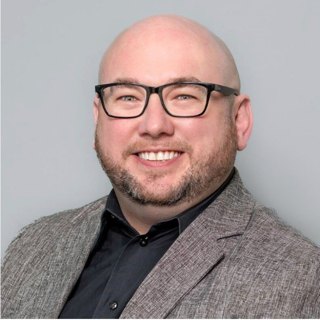 Dr. Tim Ashe
2026
- The world redesign: every activity becomes a located, competency-tagged stop on a map of the world, with Missions mapped onto the CEFR Companion Volume.
- The teacher admin dashboard ships, with an AI research and teaching assistant. Will's framing of the two-year-old request it answers: “I love what my students are doing in there, but I cannot see any of it.”
- Streaming speech-to-text takes voice messages from a multi-second wait to nearly instant.
- Silver member of the Matrix.org Foundation; three independent university studies launch through World Languages 360 at Arizona State, NYU, and the University of Alabama (Tuscaloosa).
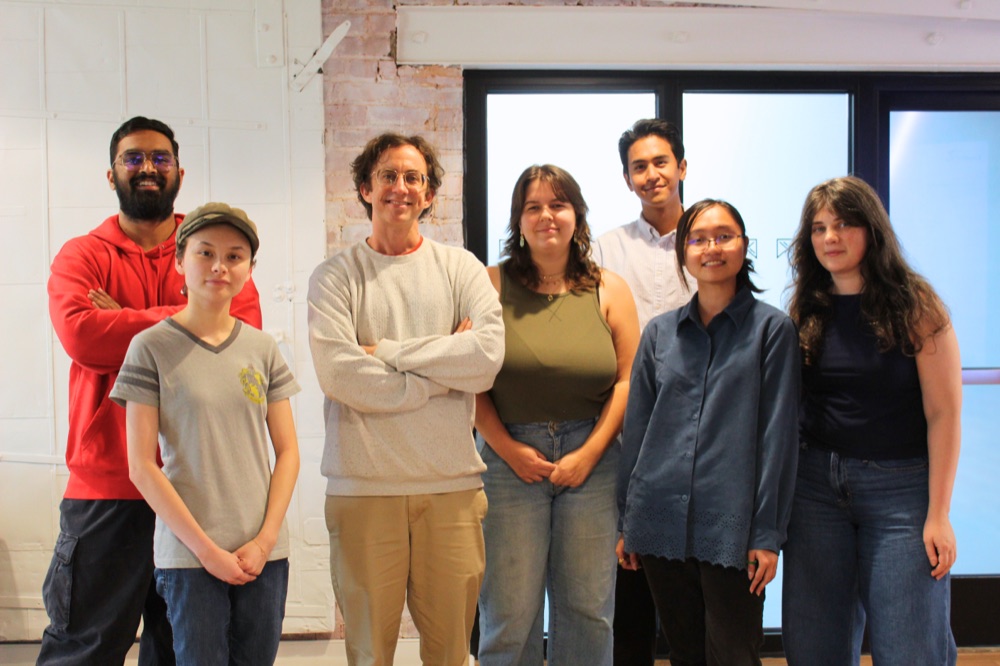
There have been many more hands and minds than fit on a timeline. Thank you to the past and future Pangea team, our advisors, our research partners, and the language learning communities who have welcomed us in and given us feedback along the way.
Also. Pangea Chat is grant- and subscription-funded, with the exception of a $30k convertible note from my parents that floated us between our Phase I and Phase II NSF awards. Not that I'm against investment, but it has meant we could focus on building the right product before worrying about monetization, and build with the public good in mind. We hope that shows.
— Will